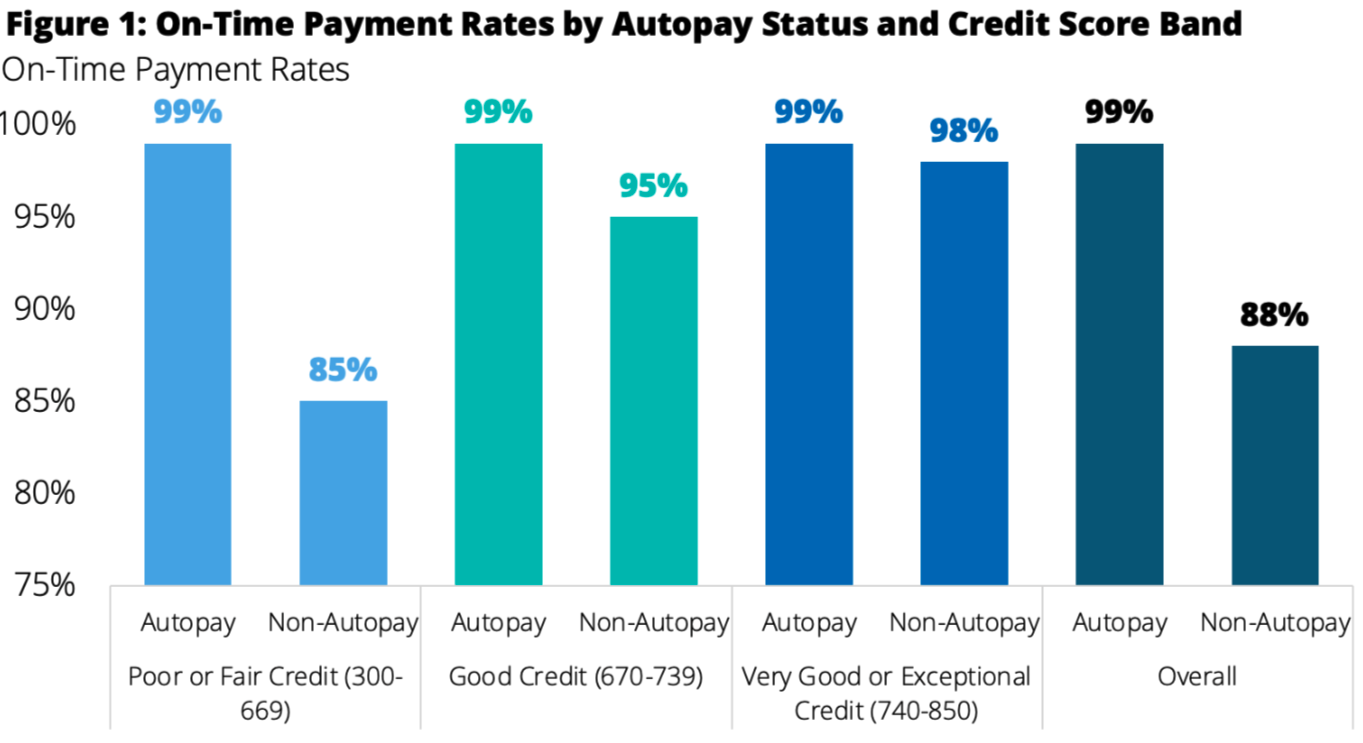
Autopay’s benefits stay consistent when considering tenants with different economic situations. For example, tenants with weaker credit scores still pay 98.8% of their monthly payments on time when using autopay, as opposed to 85.4% for those who do not enable the feature - By Rentredi
LEASE – Payment Discipline & Habit Formation
Paying rent on time is not just a transaction—it is a discipline. Discipline builds habits. Habits sustain relationships.
Drawing from James Clear's Atomic Habits framework, automated rent payment systems create positive feedback loops where consistent behavior becomes rewarded, leading to stronger landlord-tenant relationships and improved financial health for both parties.
0Opening Philosophy: Discipline, Habits & Trust
Why Discipline Matters in Renting
In his research on behavior change, James Clear identifies a powerful principle: habits are small routines that compound over time[51]. Rent payment is exactly this kind of habit. When a tenant:
- Pays on the same day every month (cue)
- Uses the same payment method (routine)
- Receives confirmation and sees their credit improve (reward)
...they are reinforcing a habit of financial responsibility. Over 12 months, this habit becomes automatic. Over several years, it becomes their identity: "I am someone who pays rent on time."
• Cue: Automated reminder 3-5 days before rent due
• Routine: One-click payment through preferred method
• Reward: Instant receipt, credit score improvement, on-time status badge
• Result: Habit loop repeats monthly until paying rent becomes automatic
Why Automated Systems Are Habit Enablers
Manual rent payment requires decision-making every month. The tenant must remember the date, navigate their bank, possibly write a check, and wait for confirmation. This friction creates failure points. Automated systems eliminate these friction points by:
- Removing the decision: Payment happens automatically once authorized
- Providing instant feedback: Digital receipts create immediate confirmation
- Creating tangible rewards: On-time records lead to better credit scores and financial opportunities
- Building identity: Tenants who consistently pay on time begin to see themselves as reliable, responsible people
This is where trust is built. Not through surveillance or enforcement, but through systems that make the right behavior the easiest behavior.
1The Canadian Rental Arrears Crisis
Despite strong demand for rental housing, Canadian rental arrears have reached crisis levels. This is not a tenant problem—it is a system problem.
In Toronto: 19.6% of units in arrears
Digital adoption increasing 25%+ annually
The problem is clear: Manual payment systems are breaking down under the weight of modern complexity. When a tenant must coordinate between their bank, their landlord's preferred method, and their own time constraints, friction increases. When friction increases, late payments increase. When late payments increase, trust deteriorates.
The solution is equally clear: Automated payment systems reduce friction, increase consistency, and rebuild trust.
2The Impact of Automated Payment Systems
The data on automated rent collection is unambiguous. Compared to manual collection, digital systems produce dramatic improvements across all key metrics.
| Metric | Manual | Automated | Improvement |
|---|---|---|---|
| Late Payment Rate | 8-12% | 4-7% | ↓ 40% reduction |
| Processing Time | 3-5 days | 1-3 days | ↓ 50% faster |
| Admin Time (10 units) | 3-5 hours/mo | 15-30 min/mo | ↓ 90% savings |
| Error Rate | 5-15% | <0.5% | ↓ 95% fewer |
| NSF Fees Annual | ~$1,152/yr | ~$96/yr | ↓ 92% savings |
Source: Leasey.AI Industry Benchmarks, Property Management Associations[40]
Breaking Down the Improvements
When rent payment is automated, tenants cannot "forget." Automated reminders (SMS/email 3-5 days before due date) boost on-time payment rates by 15-25%[45]. Recurring payment setup reduces forgetfulness from 8-12% to under 5%[40].
For a 10-unit property, manual collection takes 3-5 hours per month (reminders, tracking, chasing late payers, reconciliation). Automated systems require only 15-30 minutes per month[41].
Manual systems experience 2x more bounced checks. NSF fees average $48 per bounce. A 10-unit property saves approximately $1,152 per year by switching to automated ACH/PAD[39].
3Financial ROI: The $22,000 Opportunity
For a landlord managing 10 rental units at $2,000/month average rent, the financial case for automation is compelling:
| Benefit Category | Monthly Impact | Mechanism |
|---|---|---|
| Reduced Late Payments | +$1,200 | 10% → 4.5% late rate = 0.55 units recovering rent |
| Faster Cash Access | +$400 | 2-day avg improvement in payment settlement |
| Eliminated NSF Fees | +$96 | 24 bounces/yr → 2 bounces/yr |
| Labor Cost Savings | +$150 | 3.5 hrs/mo → 0.25 hrs/mo at $50/hr |
| TOTAL MONTHLY | $1,846 |
• 50-unit portfolio: $110,760 annually
• 100-unit portfolio: $221,520 annually
Payback period: Less than 6 months. Most property management platforms charge $15-40/unit monthly, making automation financially positive within the first quarter.
4Payment Methods in the Canadian Market
Successful automation requires offering tenants multiple payment options. Different tenants prefer different methods. The key is enabling choice while maintaining consistency.
1. Pre-Authorized Debit (PAD)
- Adoption: Most common for automated rent (traditional, reliable)
- Settlement: 1-2 business days
- Fees: Low ($0.25-0.50 per transaction)
- Tenant Experience: "Set it and forget it"
- Bounce Rate: <2% with pre-authorization
2. Interac e-Transfer
- Adoption: Growing rapidly among younger tenants (mobile-first)
- Settlement: Real-time to next business day
- Fees: Variable ($1.50 for auto-accept)
- Tenant Experience: Familiar, digital native
- Bounce Rate: ~1% (capped by daily transfer limits)
3. Credit/Debit Card Payments
- Adoption: Popular for flexibility and rewards
- Settlement: 2-3 business days
- Fees: Higher (2-3% processing)
- Tenant Experience: Rewards/cashback options
- Bounce Rate: ~3% (insufficient funds)
4. ACH/Bank Transfers
- Adoption: Standard in property management systems
- Settlement: 1-3 business days
- Fees: Low ($0.50-1.00)
- Tenant Experience: Traditional, reliable
- Bounce Rate: ~2%
5The Credit Reporting Incentive Layer
One of the most powerful innovations in recent years is rent-to-credit reporting. When a tenant's on-time rent payments are reported to credit bureaus, they gain a tangible reward for consistency.
How It Works
Platforms like FrontLobby, SingleKey, Qira, and RentTrack report rental payment history to Equifax and TransUnion. This creates an incentive loop:
- Tenant pays on time: Cue and routine established
- Payment reported to credit bureau: Reward (credit score improvement)
- Credit score rises 30-50 points over 24 months: Tangible benefit
- Better credit → easier future rentals & financing: Long-term payoff
This is the equivalent of a $10,000+ increase in borrowing power
This transforms the psychological dynamic. Instead of rent being a cost, it becomes an investment in the tenant's financial future. The tenant is motivated to pay on time not just to keep their tenancy, but to improve their credit and financial opportunities.
Expected adoption to increase significantly in 2025-2026. As more Canadian fintech platforms integrate rent reporting, this becomes a standard expectation for both landlords and tenants.
6Compliance & Digital Documentation
Beyond financial benefits, automated payment systems create unparalleled documentation standards. This is critical for tribunal compliance and tax reporting.
Tribunal-Ready Documentation
Digital payment systems automatically provide:
- Time-stamped transactions – Proof of exact payment date/time
- Audit trails – Who paid, what amount, which method
- Receipt chains – Automatic documentation for both parties
- Payment history exports – Tribunal-ready reports in one click
- Amendment tracking – Records of any lease modifications
CRA Tax Reporting Integration
Automated systems integrate directly with tax software:
- QuickBooks Online
- Wealthsimple Tax
- Turbotax
- CRA MyBusiness Portal
Benefit: Automatic categorization of rental income, reduced audit risk, and compliance with CRA reporting requirements[50].
7Implementation: Getting Started
For Individual Landlords (1-5 units)
Recommended Platforms: Avail, TenantPay, SingleKey
- Setup Time: 30-60 minutes
- Monthly Cost: $0-50/unit
- Payback Period: <6 months
For Property Managers (10-100 units)
Recommended Platforms: Property Copilot, Buildium, Innago, Rentec Direct
- Setup Time: 2-4 days (full onboarding)
- Monthly Cost: $15-40/unit
- Payback Period: 2-3 months
For Large Portfolios (100+ units)
Recommended Platforms: AppFolio, Yardi, Buildium Plus
- Setup Time: 2-8 weeks (phased)
- Monthly Cost: $5-20/unit (volume discount)
- Payback Period: <1 month
4-Phase Implementation Timeline
- Phase 1 (Week 1): Assessment – baseline costs, platform selection
- Phase 2 (Weeks 2-3): Setup – accounts, tenant data, lease config
- Phase 3 (Weeks 3-4): Tenant onboarding – invitations, payment method collection
- Phase 4 (Ongoing): Optimization – monitoring, adjustments, quarterly review
8Regulatory Compliance by Province
British Columbia
- Maximum late fee: $25 (RTA section)
- Requires 3+ late payments for eviction notice
- Digital payments must comply with RTB regulations
Ontario
- Standard Form of Lease required (Part 1)
- House Rules Addendum allowed (Part 2)
- NSF fees must be documented in lease
- Late fees must be "reasonable"
Alberta
- No rent control (updates allowed any time)
- Must give 90-day notice for increases
- Digital signature standards compliant
- No late fee limit in legislation
9Conclusion: From Friction to Flow
The data is clear: Automated rent collection is not a convenience—it is a business imperative.
• 40% reduction in late payments
• 90% reduction in administrative time
• 95% fewer record errors
• $22,000+ annual benefit per 10-unit property
Combined with the IDEAL Framework's other pillars (Identify, Data, Engage, Assess), a compliant, automated LEASE system creates a foundation for trust, efficiency, and financial stability in rental housing.
The simple habit—"we always use a secure, documented, automated payment system"—prevents most disputes. Over time, this habit makes renting predictable, fair, and rewarding for everyone.
References & Sources
Methodology: This research synthesizes data from Provincial Residential Tenancy Acts, CMHC reports, Property Management Associations, published tribunal decisions, and verified case studies (2021–2025).
- [36] Canada Mortgage and Housing Corporation (CMHC). (2024). Rental Market Report – January 2024. https://www.cmhc-schl.gc.ca/
- [37] Renti.ca & Leasey.AI. (2025). Processing Time Analysis: Manual vs Automated Payment Systems.
- [38] Yardi Breeze & TenantPay. (2025). Canadian Payment Preference Research: Digital Adoption Survey.
- [39] Canadian Banking Association. (2024). NSF Fee Impact Report.
- [40] Leasey.AI & Property Management Software Benchmarks. (2025). Automated Rent Collection Reduces Late Payments by 40%.
- [41] Landlord Studio & SingleKey. (2025). Administrative Time Savings with Automation.
- [45] SingleKey & Landlord Studio. (2025). Impact of Automated Payment Reminders on Tenant Behavior.
- [46] Statistics Canada & Canadian Fintech Council. (2024). Multi-Channel Payment Adoption.
- [48] FrontLobby & SingleKey. (2024-2025). Rent-to-Credit Reporting in Canada: Impact Studies.
- [49] Ontario Residential Tenancy Branch & BC RTB. (2024). Digital Record Admissibility in Tribunal Proceedings.
- [50] CRA & Property Management Software Providers. (2024). Automated Tax Reporting for Rental Income.
- [51] Clear, J. (2018). Atomic Habits: An Easy & Proven Way to Build Good Habits & Break Bad Ones. Penguin Random House. Framework on habit formation: cue, routine, reward cycle.
Document Version: 2.1 | Created: December 26, 2025 | Status: Publication Ready