IDENTIFY – Is everyone who they claim to be?
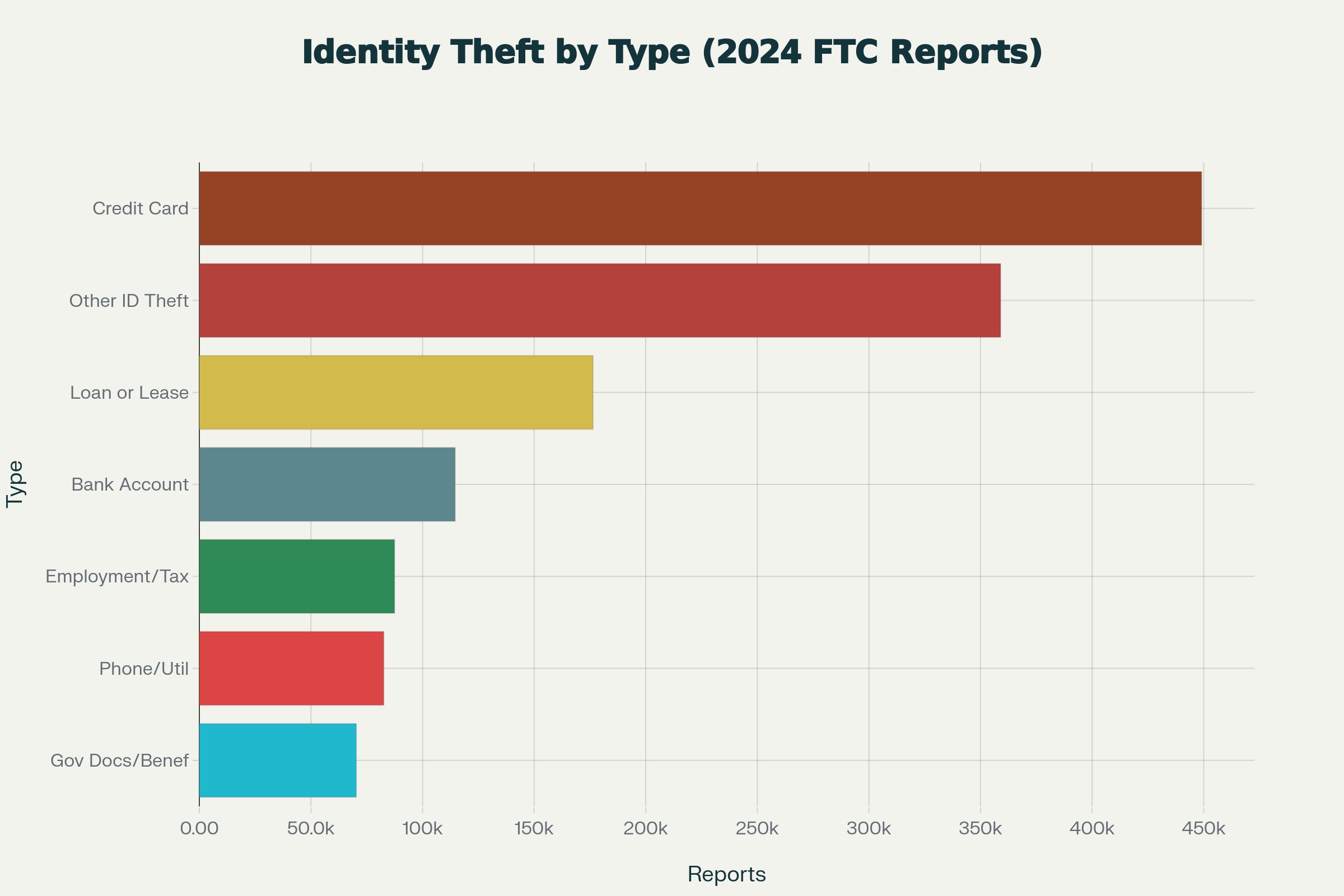
Verified identity is the foundation of trust. Before you can screen income, share documents, or sign a lease, both landlords and tenants must confirm who they are. This page explains why identity verification matters, how identity fraud really happens in rentals, and how a simple, layered IDENTIFY system protects honest people on both sides. The data from Image 01 shows that Gen X (555,524 reports per 100,000 residents) and Millennials (508,143) are the most frequently targeted demographics, while Gen Z (145,562) and Baby Boomers (192,294) report lower rates. However, when older adults do experience fraud, they tend to lose significantly more money—with those 70 and older suffering median losses far exceeding other age groups.
The Core Promise: Verified Identity
We replace guesswork with verification so that the digital profile matches the real human. This stops fake landlords and stolen identities before money ever moves, ensuring everyone is who they say they are.
01 · Why Identity Verification Matters
Just as airports use biometric verification to prevent unauthorized boarding and banks use it to protect accounts, rental housing benefits from similar verification standards. Identity checks are not about suspicion—they are about ensuring safety for everyone involved.
- Fake landlord scams regularly cost tenants $2,500–$5,000+ in lost deposits and emergency moves.
- Tenant identity fraud (fake IDs, stolen IDs, forged income) can cost landlords $10,000–$40,000 in unpaid rent, damage, legal costs, and vacancy.
- Identity theft connected to rentals is rising as more applications move online and fraudsters use better digital tools.
Fraudsters are prepared. They invest in:
- High-quality fake IDs and edited documents
- Spoofed phone numbers and disposable email accounts
- Scripts to apply to many listings quickly, hoping one will skip checks
Honest landlords and tenants rarely invest in defence in the same way. This creates an unfair gap: bad actors are often more organized than the systems meant to stop them.
02 · What IDENTIFY Is – Four Layers of Verification
IDENTIFY is more than “look at an ID card.” It is a short, layered process that checks documents, faces, data, and contact points. A small landlord can do this with a checklist. A platform can automate it. The structure is the same.
The goal is not to be perfect. The goal is to make common scams much harder and honest applications much clearer.
Layer 1 · Government ID Check
- Collect a clear copy of a government-issued ID (licence, passport, provincial card).
- Check the legal name, date of birth, and expiry date.
- Look for obvious tampering: strange fonts, fuzzy logos, uneven cropping.
- Purpose: stop basic printed or “home-made” IDs early.
Layer 2 · Biometric Match (Face to ID)
- Ask for a brief video call or live selfie, not just a static photo.
- Compare the person’s face, expressions, and posture with the ID photo.
- Do not rely on screenshots or photos of a screen.
- Purpose: reduce stolen ID and “stand-in” cases.
Layer 3 · Cross-Database Verification
- Compare name and date of birth with lawful data sources (for example, credit bureau).
- Check whether the history roughly matches the story given.
- Watch for fraud flags, impossible timelines, or many names on the same contact details.
- Purpose: detect synthetic identities and repeat patterns.
Layer 4 · Contact Verification
- Send a simple code by SMS or email and ask the person to confirm.
- Record which phone and email were verified and when.
- Be careful if the same phone/email appears repeatedly in problem files.
- Purpose: make sure there is at least one solid way to reach the real person.
03 · 20 Real Stories: How Identity Fraud Happens
The stories below are based on real patterns seen in Canadian news, tribunal decisions, and portfolio reviews. Names are simplified, but the types of fraud are real.
-
Fake Landlord, Real Loss (Toronto)
A student met a “landlord” in a café and sent a $2,500 deposit. On move-in day, the real owner opened the door and knew nothing. The scammer used fake ownership documents and disappeared.
IDENTIFY fix: verify owner identity and authority to rent (ID + tax notice or licensed brokerage). -
Stolen Identity, Rented Condo (Vancouver)
A fraudster used someone else’s ID to rent, then sublet rooms for cash and vanished. The real person only learned about it when collection calls began.
IDENTIFY fix: cross-check ID with credit/address history and use live biometric checks. -
Deepfake ID Photo (Calgary)
A fully digital “ID” was accepted for a quick online approval. Later police confirmed the face image was AI-generated and linked to a fraud ring.
IDENTIFY fix: require liveness (blink, movement) and compare live video to document. -
Spoofed Phone, Fake Authority (Montreal)
A caller, using a spoofed local number, pressed a tenant to send deposit “before others do.” The number looked real; the person was not.
IDENTIFY fix: never rely on voice alone; check written ID and independent records. -
Forged Pay Stubs (Ottawa)
Pay stubs looked professional but had mismatched fonts and no proper company contact. Rent stopped after month one.
IDENTIFY fix: basic document checks and, where lawful, employer confirmation. -
Friend as “Landlord” Reference (Winnipeg)
A friend posed as previous landlord, giving a glowing review. The true owner had never heard of the tenant.
IDENTIFY fix: cross-check references with actual property ownership or managers. -
One Person, Many Names (Toronto)
A fraudster applied to several buildings under different names but reused the same phone and device.
IDENTIFY fix: systems that track repeated contact points can flag this pattern. -
Catfishing Landlord (Vancouver)
Three renters paid deposits for the same condo advertised with stock photos and a fake company name.
IDENTIFY fix: always confirm owner identity or a licensed brokerage before payment. -
Fake Tribunal Official Call (Hamilton)
A scammer pretended to be from the tribunal and requested an “urgent fee” by e-transfer.
IDENTIFY fix: verify any request through contact details listed on official websites. -
Address Mismatch Ignored (Calgary)
The address on the ID and application differed, but no-one asked why. When arrears began, the tenant disappeared.
IDENTIFY fix: treat obvious mismatches as a quick conversation before approval. -
Expired ID, Active Fraud (Halifax)
An expired licence was scanned without noticing the date. Later, it turned out the person had open fraud files in another province.
IDENTIFY fix: check expiry dates and ask for current ID. -
Identity Theft Ring (Toronto)
A group used stolen identities to rent, collect deposits from subtenants, and vanish. Each landlord thought it was a one-time issue.
IDENTIFY fix: shared pattern detection and consistent ID checks across portfolios. -
“Urgent Status” Story with No Documents (Vancouver)
A person claimed emergency refugee status and asked the landlord to skip checks. Later, nothing matched the story.
IDENTIFY fix: keep the same identity steps for everyone, with empathy and clarity. -
Borrowed Income Documents (Montreal)
A tenant used a sibling’s T4 and pay stub. The names did not fully match, but this was overlooked.
IDENTIFY fix: ensure all documents match the legal name on the ID, or document the reason. -
Fake Business License (Calgary)
A “business owner” rented commercial space with forged registration papers, then illegally sublet it.
IDENTIFY fix: confirm business registration through public registries where appropriate. -
Evicted Tenant Reapplies Under New Name (Winnipeg)
After an eviction, the same person applied to another property in the same company using a different last name.
IDENTIFY fix: use date of birth plus contact details in your files, not name alone. -
Different Person on Move-in Day (Toronto)
One person applied and provided ID; a different person arrived to move in. Staff were busy and did not notice until later.
IDENTIFY fix: confirm identity again at key handover. -
Mis-stated Citizenship (Vancouver)
A person claimed citizenship and long-term history that did not exist. This changed their risk profile and obligations.
IDENTIFY fix: gently verify important claims where they affect legal or financial risk, while respecting human-rights rules. -
Credit File Mix-Up (Ottawa)
A tenant’s name was confused with an identity thief’s record at the bureau. They were rejected as “fraud risk” with no chance to explain.
IDENTIFY fix: offer a clear path to review and correct obvious data errors. -
Proxy Applicant Runs with Deposit (Calgary)
A “friend” signed and paid, then disappeared with the deposit. The actual person named on the lease never existed.
IDENTIFY fix: only sign and hand keys to the verified person who will actually live there.
04 · How IDENTIFY Prevents These Scams
IDENTIFY does not aim for perfection. It aims to make the most common and expensive patterns much harder to pull off, while keeping the process simple for honest people.
Against Fake IDs
- Use expiry, layout, and security-feature checks, not just “looks okay.”
- Compare details on the ID with the application and lease.
- Ask for a second piece of ID if anything feels unclear.
Against Impersonation & Stolen ID
- Require a brief video call or live selfie where the person shows the ID.
- Watch for obvious mismatches between face and photo.
- Do not rely on pre-recorded videos or still photos alone.
Against Forged Documents
- Check for inconsistent fonts, logos, and contact details.
- Where lawful, confirm employment through official channels, not numbers typed on a form.
- Ensure names and dates match the ID and application.
Against Catfishing, Proxies, and Rings
- Only sign with and hand keys to the person you actually verified.
- Record which phone and email are verified and use them consistently.
- Use platforms that can see repeated patterns across multiple landlords.
05 · Technology & Tools Behind IDENTIFY
IDENTIFY can be done with a careful paper checklist, or through digital tools like Property Copilot. The goal is the same: a clear, repeatable process that staff and applicants can follow.
| Step | Manual Way | Platform Way |
|---|---|---|
| Collect ID | Photo or photocopy; simple visual check. | Secure upload, quality checks, expiry alerts. |
| Face Match | In-person meeting, memory-based comparison. | Live selfie/video stored in the file as evidence. |
| History Check | Call employer or “landlord” by phone. | Structured checks and, where lawful, API connections. |
| Contact Verification | Write down phone/email, hope they work. | Verification codes with time-stamped confirmation. |
| Time Required | Often 1–3 days per applicant. | Typically 5–10 minutes once set up. |
For a single suite, a simple, consistent checklist can be enough. For a large portfolio, platforms that implement IDENTIFY reduce human error and create strong records for future audits or hearings.
06 · Legal, Privacy & Fairness in IDENTIFY
Identity checks must still respect privacy law and human-rights rules. IDENTIFY follows three simple ideas: necessary, transparent, and equal treatment.
Necessary
- Collect only the information needed to confirm identity and basic suitability.
- Avoid storing extra data “just in case” without a clear reason.
Transparent
- Explain what you collect, why, and how it is stored.
- Let applicants know how long you keep information.
- Offer a simple way to ask questions or correct obvious errors.
Equal Treatment
- Apply the same IDENTIFY steps to all adult applicants.
- Do not change your standard based on race, religion, or other protected grounds.
- When assisting seniors or newcomers, keep the security level similar, even if the method is different.
When a file goes to a tribunal or court, a clear IDENTIFY record helps show that you acted reasonably and fairly. Tenants also benefit, because they can prove they were transparent from the beginning.
07 · Who Benefits from IDENTIFY?
Landlords & Property Managers
- Lower risk of high-loss fraud tenancies.
- Better evidence of due diligence when disputes arise.
- More stable cash flow and less “surprise” risk.
Tenants
- Protection from fake landlords and unsafe operators.
- A clear way to show they are serious and real, even as newcomers or students.
- More predictable decisions, based on facts rather than guesswork.
The Rental System
- Fraud rings are identified and stopped sooner.
- Good behaviour and transparency are rewarded over time.
- Trust slowly rebuilds between landlords, tenants, and regulators.
08 · Next Steps on the IDEAL Rail
Once we know “who” we are dealing with, we can move along the IDEAL rail with much more confidence:
References & Resources
This page summarizes patterns seen across Canadian rental fraud reports, tribunal decisions, and internal portfolio reviews in recent years. For detailed legal advice, always refer to local laws and professional counsel.